Latest Posts
YPeterson's Perspective on Gender Equality

According to Peterson, the pursuit of gender equality is a flawed concept because men and women are fundamentally different. Peterson argues that these differences are grounded in biology and that men and women have evolved to have different social roles and psychological tendencies. Peterson believes that society's efforts to achieve gender equality are based on a false premise that men and women are interchangeable. He argues that this idea is not only misguided but also potentially harmful, as it can lead to a denial of important differences between the sexes. Peterson's analysis is grounded in his belief that men and women have different innate psychological traits. For example, he claims that men tend to be more competitive and aggressive, while women are more nurturing and empathetic. He suggests that these differences are not only natural but also necessary for the functioning of society as a whole. Peterson also argues that the focus on gender equality has led to a negative impact on men, who he claims are increasingly marginalized and discriminated against in today's society. Peterson sees this as a result of what he calls "political correctness" and an attempt to "feminize" society, which he argues has resulted in a lack of recognition and support for men's traditional roles and contributions. Analysis of Peterson's Views Peterson's perspective on gender equality has been widely criticized by many scholars, activists, and feminists. Critics argue that Peterson's analysis is flawed and that his claims about innate differences between men and women are not supported by scientific evidence. For example, some critics argue that Peterson's views on gender are based on outdated and discredited biological theories that have been used to justify sexism and discrimination against women. Others argue that Peterson's analysis ignores the significant impact of social and cultural factors on gender roles and that his views are based on a narrow and limiting understanding of what it means to be a man or a woman. Despite these criticisms, Peterson's views have resonated with many people, particularly those who feel marginalized or overlooked by mainstream discussions of gender and equality. For some, Peterson's analysis provides a powerful and compelling narrative that speaks to their own experiences and frustrations with contemporary society. Jordan Peterson's perspective on gender equality is a controversial one that has generated a great deal of debate and discussion. While his claims about innate differences between men and women have been widely criticized, his analysis has resonated with many who feel that their experiences and perspectives have been overlooked in mainstream discussions of gender and equality. As such, it is important to engage in thoughtful and respectful dialogue that seeks to understand and address the root causes of gender inequality, while also recognizing the diverse perspectives and experiences that shape our understanding of gender and equality.
Jordan Peterson AND feminists
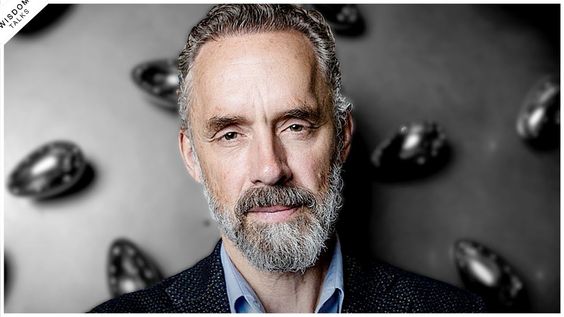
Dr. Jordan Peterson, a renowned psychologist and author, has been a vocal critic of modern feminism, arguing that it has become a harmful and divisive force in society. In his lectures and writings, he has emphasized the importance of individual responsibility, as well as the biological and psychological differences between men and women. One of Peterson's main criticisms of feminism is that it has shifted from a movement aimed at promoting equal opportunities and rights for women to one that seeks to tear down the traditional gender roles that have existed for centuries. Peterson argues that these gender roles have evolved over time to serve important biological and social functions, and that attempts to erase them could have serious unintended consequences. For example, Peterson has expressed concern that the push for gender-neutral language and gender-neutral parenting could lead to confusion and anxiety among children who are trying to understand their own identity. He has also criticized the concept of "toxic masculinity," arguing that it demonizes men and fails to recognize the positive aspects of male behavior, such as courage and stoicism. Peterson has also been critical of feminist activism, which he sees as a form of identity politics that seeks to divide people into different groups based on their gender, race, or other characteristics. He believes that this kind of thinking is fundamentally flawed, as it ignores the complexity and diversity of human experience and reduces people to mere tokens of their identity categories. Despite his criticisms of modern feminism, Peterson has emphasized that he is not opposed to women's rights or gender equality. Rather, he believes that these goals can best be achieved by recognizing and embracing the biological and psychological differences between men and women, and by encouraging individuals to take personal responsibility for their own lives and choices. In conclusion, Jordan Peterson's perspective on feminism is that it has become a divisive and harmful force in society, and that it should be replaced by a more nuanced and individualistic approach to gender equality. While his views have been controversial, they have sparked important discussions about the nature of gender and the role of feminism in modern society. NEW MINDSET